A Guide to New Customer Acquisition
Customer conversations

Written by: Ben Taylor, MBA, Content Marketing Manager, Richardson
Published: May 19, 2022
Last Updated: December 11, 2025
What is New Customer Acquisition?
New customer acquisition is the process of getting new customers to buy from your business. It involves identifying and attracting the right prospects, creating awareness about your product or service, and then converting potential buyers into paying customers.
New customer acquisition is what keeps your sales pipeline full of new prospects. And it’s critical for growing your business by bringing in new clients and customers.
The 4 Stages of the Customer Acquisition Funnel
The customer acquisition funnel is a set of stages a prospect moves through before becoming a customer. It involves series of clear, predictable stages that guide a potential buyer from first learning about your business at the top of the funnel to making a purchase at the bottom of the funnel.
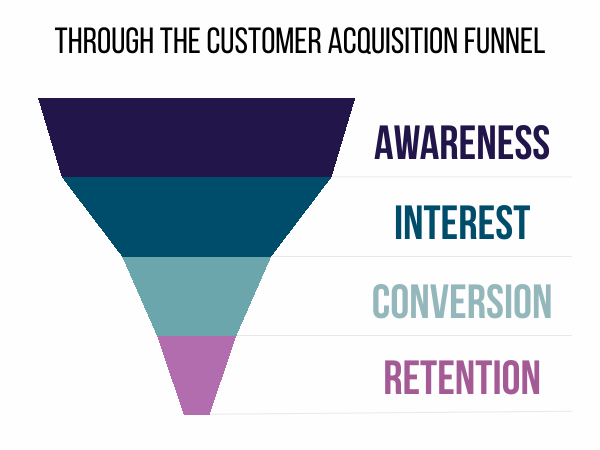
The 4 stages of the customer acquisition funnel include:
- Awareness: This is when potential customers first learn about your business. Marketing plays a big role at this stage. Tactics can include digital advertising, social media, search engine optimisation (SEO) and events. The goal is to make sure the right people know you exist and understand the problem you can help them solve.
- Interest: Once awareness is built, prospects start exploring whether your product or service could fit their needs. They might read reviews, visit your website, or attend a webinar. During this stage, consistent messaging between sales and marketing becomes essential. Clear, educational content helps turn curiosity into engagement.
- Conversion: This is often where sales takes the lead. A well-prepared seller listens, tailors the conversation, and guides the buyer toward a confident decision. From identifying the right prospects to guiding them through indecision all play a role here.
- Retention: The acquisition process doesn’t end at the close. The first 90 days after a sale are critical for reinforcing the buyer’s confidence. When teams stay engaged and deliver early wins, they turn new customers into loyal advocates who often become a source of future referrals.
Each stage builds on the last. By aligning marketing’s reach with sales’ relationship-building expertise, companies create a seamless path that accelerates growth and reduces the risk of lost opportunities.
Key Customer Acquisition Strategies and Channels
Every organisation uses a mix of channels to find and win new customers. The key is knowing which ones work best for your audience and where sales and marketing can collaborate most effectively.
Inbound Marketing Channels
Inbound channels attract buyers by providing helpful, educational content that draws them in naturally. These include:
- SEO and content marketing
- Blog posts, guides, and webinars
- Email nurturing campaigns
- Social media engagement
Inbound leads are often warmer because they’ve already shown interest by engaging with your content.
Outbound Marketing & Outreach Channel
Outbound channels are proactive. Common examples include:
- Cold calls and personalised outreach
- Paid advertising
- Account-based marketing (ABM) campaigns
- Events, tradeshows, and industry conferences
Outbound efforts work best when targeted using data and insights from your ideal customer profile (ICP)
Unifying Sales and Marketing
The most successful teams use a mix of both marketing and sales tactics to acquire new customers. Marketing creates interest and brand familiarity, while sales builds trust and guides prospects through each step.
When sales and marketing collaborate, acquisition becomes smoother and smarter. Instead of handing off leads, both teams share ownership of the customer journey, from first click to closed deal.
A unified approach means:
- Shared definitions. Sales and marketing should agree on what qualifies as a “lead,” a “prospect,” and a “sales-ready opportunity.”
- Consistent messaging. The language that captures interest in a marketing email should align with what buyers hear in a sales call.
- Closed-loop feedback. Sales teams can share what kinds of messaging or offers drive the most productive conversations, helping marketing refine future campaigns.
6 Steps to a Stronger Customer Acquisition Strategy
Winning new customers isn’t about sending more emails or making more calls. It’s about reaching the right buyers with confidence, clarity, and relevance. In today’s noisy market, the best sales and marketing teams focus on fit, insight, and follow-through—not volume.
Follow these six steps to build a smarter customer acquisition strategy that attracts, converts, and retains the right customers.
Identify the Right Prospects
Successful prospecting starts with focus. Too many teams still measure success by activity instead of results. Before increasing outreach, define your ICP based on behaviors and readiness:
- Do they have a problem your solution solves?
- Have they recently changed direction, leadership, or strategy?
- Are they open to new ideas, or loyal to current systems?
Revisit your ICP quarterly. Share insights between marketing and sales to refine who’s converting and why. When your outreach targets the right buyers, every conversation feels more relevant—and more likely to close.
Use Smarter Attraction Tactics
The customer journey begins long before a rep reaches out. Modern buyers research quietly and expect brands to educate, not advertise. Build awareness and trust by:
- Publishing helpful content—blogs, videos, and case studies that solve real problems
- Running targeted ads for specific roles or industries
- Activating referrals and advocates from satisfied customers
- Showing up in communities and events where your audience learns and connects
- Practicing social selling by sharing insights and commenting thoughtfully on LinkedIn
Attraction isn’t about shouting louder. It’s about showing up smarter and adding value before a sales conversation begins.
Build Trust with Insight-Led Outreach
Generic sales emails don’t work.
Buyers respond best to relevance and proof you’ve done your homework. Before reaching out, look for triggers such as:
- A market trend impacting their industry
- A leadership change or product launch
- A challenge competitors have already addressed
Use these insights to make outreach personal and credible. Lead with empathy. Teach something new. Instead of pitching a product, offer a perspective that helps the buyer see their situation differently.
When your message demonstrates understanding, trust begins before the first meeting.
Create Constructive Tension
Even engaged buyers hesitate. The key to B2B lead generation that converts is helping them see the cost of doing nothing.
Use data to make the risk clear. For example:
- "Your team spends 20 hours a week on manual reporting. That’s a full month each quarter.”
- "Teams using automation in your sector increased retention by 15%. What would that mean for you?”
Ask open-ended questions that reveal the stakes. For example:
- "What happens if competitors act faster?”
- "How far can your current system scale?"
Constructive tension sparks motivation. It’s not pressure—it’s clarity.
Guide Buyers Through Indecision
Many deals stall because buyers fear uncertainty. Richardson’s 2025 Selling Challenges Research Study revealed that buyer indecision is the biggest overall threat to winning active opportunities.
To keep momentum:
- Simplify the path forward by recapping what’s been agreed and outlining next steps.
- Reduce uncertainty by sharing proof of success from similar clients.
- Empower your internal advocate with a short summary they can share with decision-makers.
When you remove friction and make the decision easier to justify, buyers move forward with confidence.

Reinforce Success After the Win
Customer acquisition doesn’t end at the close. The first 90 days define whether a new customer becomes an advocate or an at-risk account.
Reinforce their confidence by:
- Delivering quick wins that prove value fast
- Checking in regularly with insights and guidance
- Highlighting measurable progress and outcomes
Continued engagement turns one deal into a long-term relationship and fuels organic growth through renewals and referrals.
Measure the Success of New Customer Acquisition
To improve new customer acquisition, teams need clear, consistent metrics that show what’s working. Tracking key performance indicators (KPIs) helps sellers and leaders focus on efficiency, not just activity.
Customer acquisition cost (CAC) is one of the most important. It shows how much it costs to gain a new customer, factoring in both marketing and sales expenses.
Other helpful acquisition metrics include:
- Customer lifetime value (CLV): The total revenue a customer is expected to bring over the entire relationship. Comparing CLV to CAC shows whether you’re acquiring customers profitably.
- Lead-to-customer conversion rate: The percentage of leads that become paying customers. This is a clear indicator of lead quality and sales effectiveness.
- Average sales cycle length: The average number of days from first contact to close. Shorter cycles often signal better qualification and buyer confidence.
- Payback period: How long it takes to recover acquisition costs through customer revenue.
Turn New Customer Acquisition into a Repeatable Advantage
New customer acquisition should be a repeatable process that is focused on building relevance and trust. The most successful teams know that winning new business requires alignment between marketing and sales to:
- Identify the right prospects who have both need and urgency.
- Attract prospects through education, not just advertisement.
- Build trust by leading with insight instead of information.
- Create constructive tension that highlights the cost of standing still.
- Guide buyers through indecision by removing risk and simplifying the path forward.
- Reinforce the win by helping customers see early success and long-term value.
When teams put these steps into practice consistently, they create a system that wins new customers and strengthens relationships that drive growth over time.
Take the Next Step
Richardson’s Connected Selling Curriculum helps sellers master these exact capabilities, from prospecting and consultative conversations to handling indecision and reinforcing customer confidence after the sale. The curriculum blends live workshops, digital learning, and real-world reinforcement tools designed to turn these skills into lasting habits.